
What is Dermatillomania? A Guide to Skin Picking Disorders


Area
Chapped LipsKey Takeaways:
- Dermatillomania is compulsive skin picking driven by a mental health condition recognised by leading psychiatrists.
- Affecting 2-5% of the population, Dermatillomania can be triggered by stress, brain function, and other co-occurring conditions.
- Specialist Dermatillomania treatment is available to support you or a loved one.
- Dermal Therapy Lip Balm and Dry Skin range can help skin to heal.
We’ve all felt the occasional urge to pick at a scab or blemish. But for some, this impulse becomes an overwhelming compulsion to pick, scratch, or squeeze their skin.
This is a recognised mental health condition called Dermatillomania, also known as Excoriation Disorder or Compulsive Skin Picking. It’s a challenging behaviour that can lead to significant skin damage and emotional distress.
If this resonates with you, please know you’re not alone. This article will help you learn what Dermatillomania is, its common symptoms, and how to find the support you need.
What is Dermatillomania? A Deeper Dive into the Condition
Dermatillomania or Excoriation Disorder is commonly referred to as Compulsive Skin Picking. Affecting up to 2–5% of the population, more often females, the condition typically begins in adolescence but can emerge at any age.
Dermatillomania is defined in the DSM-5 by the American Psychiatric Association. It is classified as a Body-Focused Repetitive Behavior (BFRB) and described as recurrent skin picking that leads to lesions, alongside repeated, unsuccessful attempts to stop.
Skin picking disorder often results in noticeable damage such as cuts, scabs, infections, or scarring. Unlike everyday habits, this chronic behaviour causes significant distress and interferes with daily life.
5 Dermatillomania Symptoms and How to Spot Them
Signs of Dermatillomania include both physical and emotional indicators. Here’s what to look out for in yourself or a loved one.
- Compulsive skin picking
Repeated picking at skin using fingers, nails, teeth, or tools such as tweezers. Common areas include the face, mouth, lips, hands, arms, legs, and scalp. - Visible skin damage
Open sores, wounds, persistent scabs, bruising, infections, or permanent scarring such as discolouration or thickened skin. - Failed attempts to stop
Repeated efforts to reduce or stop picking that have not been successful. - Emotional distress
Feelings of shame, guilt, anxiety, depression, and embarrassment, often leading to attempts to hide skin damage. - Impact on daily life
Skin picking interferes with social activities, work, school, or other important areas of life.
Why Do I Pick at My Skin? Causes and Triggers
Dermatillomania has complex causes that are not fully understood. Research suggests a combination of biological and environmental factors.
- Genetic factors
There may be an inherited tendency toward BFRBs, including skin picking. - Psychological factors
Stress and anxiety are common drivers. Picking can act as a way to self-soothe or release tension. - Perfectionism
The urge to “fix” perceived skin imperfections can trigger picking. - Brain differences
Research suggests differences in brain regions linked to impulse control may play a role. - Co-occurring conditions
Dermatillomania often occurs alongside conditions such as OCD, depression, or body dysmorphic disorder.
Finding Dermatillomania Treatment and Professional Support
Dermatillomania is treatable, but self-help alone is usually not enough. Professional support is often required.
Therapies such as Cognitive Behavioural Therapy (CBT) and Habit Reversal Training (HRT) help build awareness and teach alternative responses. Medications like SSRIs may be prescribed to manage urges or related conditions, usually alongside therapy.
Support groups can also provide practical strategies and emotional reassurance. If you or someone you know is struggling, seek support from a doctor, psychiatrist, or therapist experienced with BFRBs.
Support Your Skin’s Healing with Dermal Therapy
Professional treatment is essential, but caring for damaged skin also matters. Lips are a common picking area, often leading to dryness and cracking.
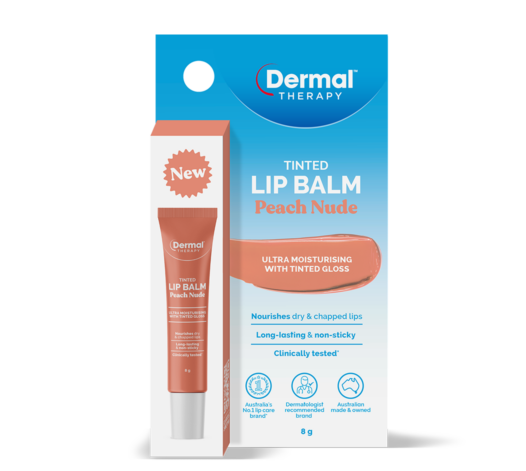
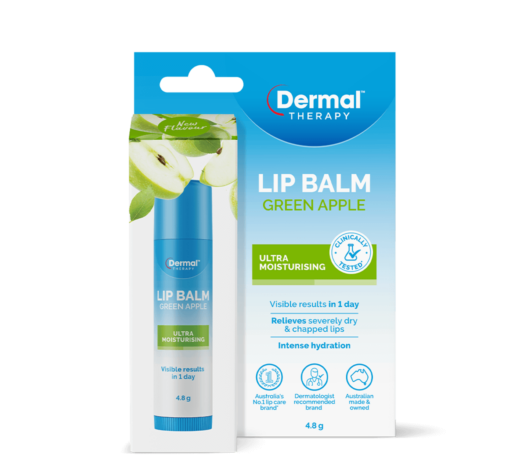
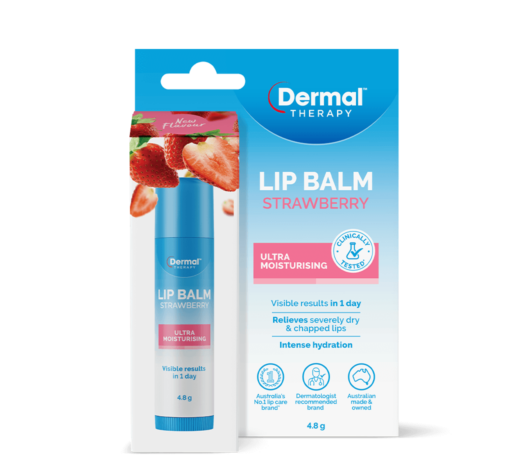
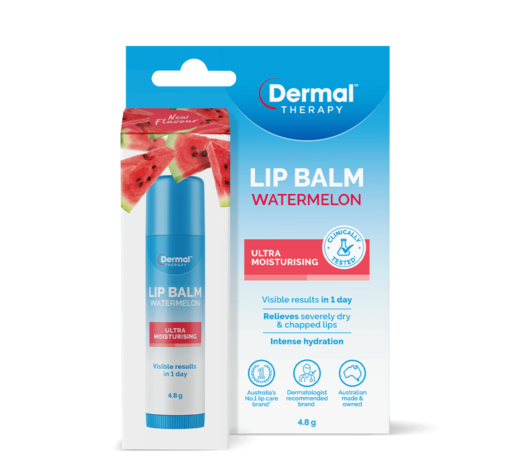
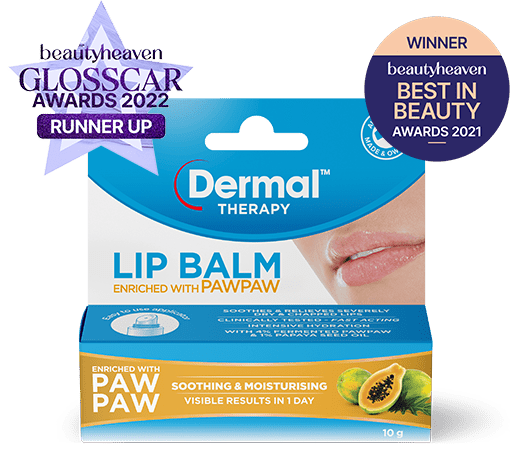
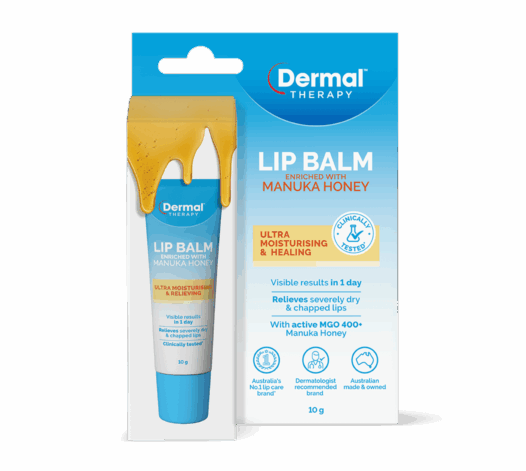
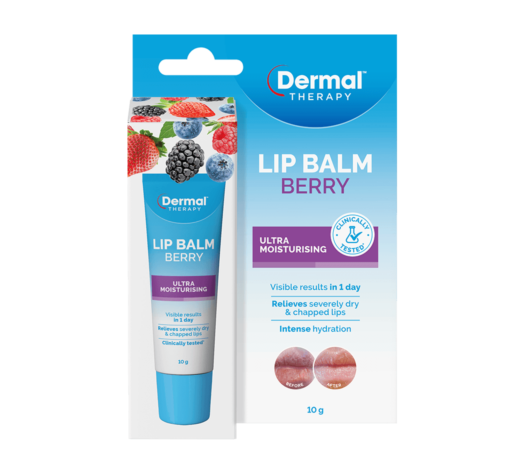
Dermal Therapy Lip Balm can help by:
- Hydrating and supporting skin barrier repair
- Gently removing flaky skin with 2.5% urea, reducing the urge to pick
- Providing fast relief from severe dryness
- Protecting lips from environmental stress
- Soothing severely dry and chapped lips
Adding Dermal Therapy Lip Balm to your routine can help maintain hydration and comfort.
Real Stories: Finding Support with Dermatillomania
Hearing from others can be reassuring. Here is a story from a Dermal Therapy customer.
“My name is Paige, I’m 25 from Victoria, and I have been using Dermal Therapy products for about 3 years. I have always struggled with Dermatillomania (lip picking disorder) and chronic cold sores. Since finding Dermal Therapy lip balms, my lips have honestly never been better. My skin feels healthy and moisturised, and my confidence has improved significantly. Thank you for being such an accessible brand in Australia.”
Paige
5 Self-Care Tips to Support Professional Treatment
These tips can help alongside therapy.
- Keep your hands busy – Use fidget tools, stress balls, or crafts.
- Identify triggers – Notice emotions or situations that increase urges.
- Manage urges – Use breathing techniques or grounding exercises.
- Trim nails – Short nails make picking harder.
- Gentle skin care – Follow a consistent routine and use moisturisers designed for very dry skin, such as Dermal Therapy Very Dry Skin range.
Beyond Dermatillomania: Moving Toward Healthier Skin
Dermatillomania is a real and challenging condition, but it is treatable. Professional support addresses the underlying behaviour, while Dermal Therapy products can help soothe and protect damaged skin. Find a store.
With the right care and support, it is possible to manage symptoms and support skin recovery.
References
- Prevalence and gender distribution of excoriation disorder: A systematic review and meta-analysis
- DSM-5 diagnostic criteria for excoriation disorder
- Prevalence and heritability of skin picking: A twin study
- Brain activation and impulse control in excoriation disorder
- Epidemiology and comorbidities of excoriation disorder, Journal of Clinical Medicine