
Blisters on Your Feet from Walking? How to Treat, Prevent and Pack


Area
Daily UseKey Takeaways
- Blisters: Friction causes skin layers to separate, creating painful, fluid-filled pockets.
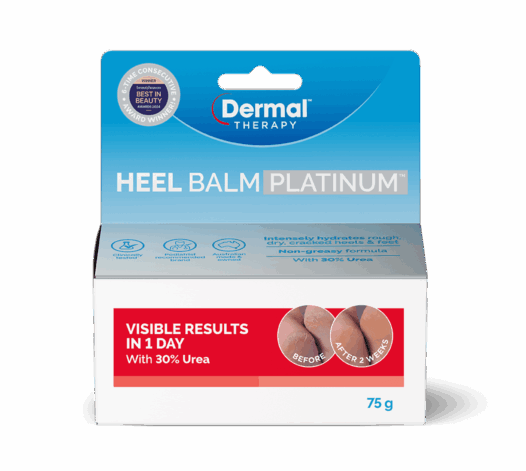
- Urea: Heel Balm Platinum’s 30% Urea formula hydrates and conditions the skin, making it more resilient against friction.
- Consistency: A twice-daily foot care routine is more effective than treating pain once it starts.
- Recovery: Tired, sore feet need hydration and massage to help you prepare for your next walk.
A great walk can be ruined by blisters or sore feet before you even reach your halfway point. These issues are common, but they’re highly preventable with the right habits. This guide covers why they happen, how to manage them, and how to pack a foot care kit to keep you moving comfortably.
Why do you get blisters on your feet from walking?
Friction is the enemy. When your skin rubs against a sock or shoe, it creates heat, causing your skin layers to separate. Your body rushes fluid to the area, often creating a blister on the bottom of your foot, heel, or toes. Risk factors include:
- Ill-fitting shoes: Shoes that are too tight or loose create constant friction points.
- New footwear: Brand-new shoes are stiffer and more likely to rub.
- Damp socks: Moisture softens the skin, making it susceptible to friction damage.
- Long distances: The further you walk, the more repetitive the friction becomes.
Rough, dry, or cracked skin is more likely to blister than well-conditioned skin. Keeping your heels soft is where prevention starts.
Foot Care Tip: If you have rough or dry skin, Heel Balm Platinum shows visible results in one day.
How to prevent blisters before they start
Stop most foot blisters from walking before they appear with these changes:
- Get a proper fit: Visit a professional shoe fitter to ensure your shoes have enough room for your toes.
- Choose the right socks: Choose moisture-wicking synthetic or wool blends rather than cotton.
- Break them in: Don’t wear brand-new shoes for long walks. Start with shorter strolls.
- Use preventative taping: Apply a blister bandage or sports tape to known “hot spots” before you leave.
- Keep feet dry: Carry spare socks and change them if your feet get sweaty.
Foot Care Tip: If your heels are fine but you want a simple daily habit, Heel Magic keeps skin smooth and friction-resistant.
If you’re regularly on your feet, prevention is everything. Read our guide to foot health for athletes and cracked heel prevention for more.
What to do if you already have a blister
If you feel a hot spot, stop immediately to limit damage.
- Protect the area: Apply a blister bandage or tape to provide a cushion so you can finish your walk.
- Leave it alone: Don’t pop the blister. The skin is a natural, sterile barrier against infection.
- Keep it clean: If the blister bursts, clean it gently with mild soap and water, then apply a clean bandage.
- Monitor for infection: Watch for spreading redness or increasing pain and speak to a doctor if you notice these signs.
Want to understand more about why your heels crack in the first place? Explore our blog on what causes skin on your feet and heels to crack and split.
Why do you get feet sore after walking long distances?
Walking is a repetitive impact activity. Sore feet from walking result from your soles absorbing shock over several kilometres. It’s normal for muscles to feel fatigued and soles to feel tender. A good after-walk recovery routine helps you bounce back faster.
Foot Care Tip: Massaging Nourishing Foot & Leg Cream into tired feet delivers 48 hours of hydration to skin that has taken a beating.
How to soothe sore feet after walking
The faster you calm your feet, the sooner you’ll feel ready for another walk.
- Elevate your feet: Raise your feet above heart level for 15 minutes to reduce swelling.
- Cool water soak: A cool soak helps reduce inflammation and heat buildup.
- Gentle massage: Apply firm pressure to arches and calves to release tension.
- Light stretching: Carefully stretch calves and toes to help your muscles relax.
Don’t forget your feet need to breathe
Long walks, especially in summer, can lead to sweat and odour buildup. While this seems minor, trapped moisture can make your skin prone to irritation.
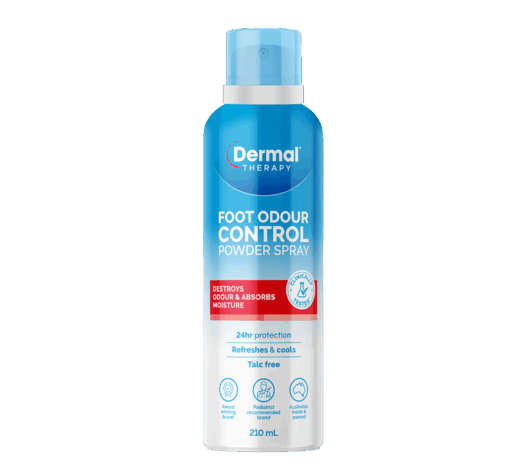
Foot Care Tip: Foot Odour Control Powder Spray offers 24-hour protection, absorbing moisture and destroying odour. It’s a practical fix for staying fresh.
What to pack in your foot care kit
Having the right tools means you can handle almost any foot discomfort.
- Heel Balm Platinum: For repairing rough heels, with visible results in one day.
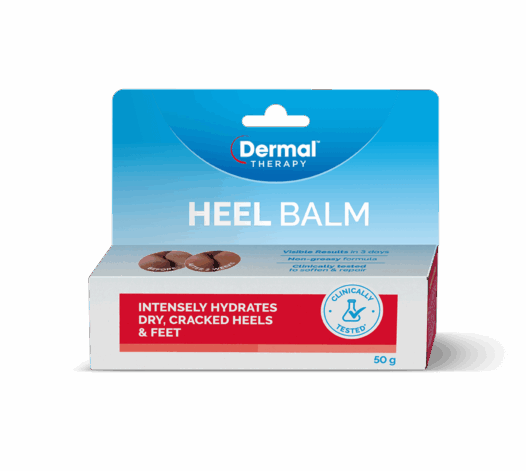
- Heel Magic: For daily prevention and keeping skin smooth.
- Nourishing Foot & Leg Cream: For soothing tired muscles after a walk.
- Foot Odour Control Powder Spray: For keeping things fresh and dry.
Conclusion: Taking the next step for healthy feet
A little preparation and the right products mean foot discomfort doesn’t have to cut your walk short. Your feet deserve care that works as hard as you do.
Getting your feet summer-ready? Don’t miss our guide to preparing your heels for sandal season.
Ready to find relief? Explore the Dermal Therapy Foot Care range and find your perfect match.
FAQs